MILL SHOP

Free swatch box with orders over $126*Shop now

Account Trade

Our Mill

The Roveworth Mill Story
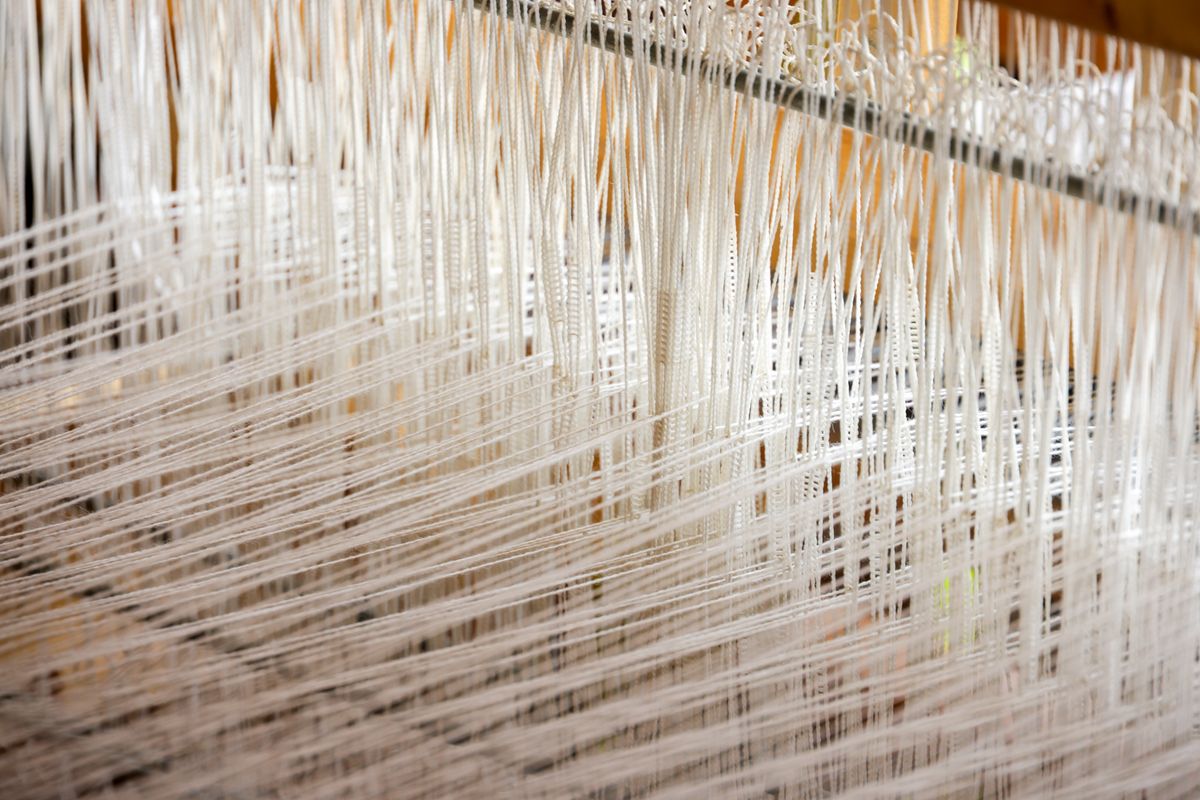
White warp threads stretched across a wooden loom, photographed by Magda Ehlers on Pexels

The name ‘Roveworth’ comes from the rove — the soft rope of carded fibre a spinner draws out before the twist goes in. It is where every length of cloth starts.

The mill was founded in 1904 by Edith Marlowe Vane in a rented two-room weaving shed. It has passed from mother to daughter four times and is run today by Nora Vane Ashby, Edith’s great-granddaughter.

Visit the Roveworth archive
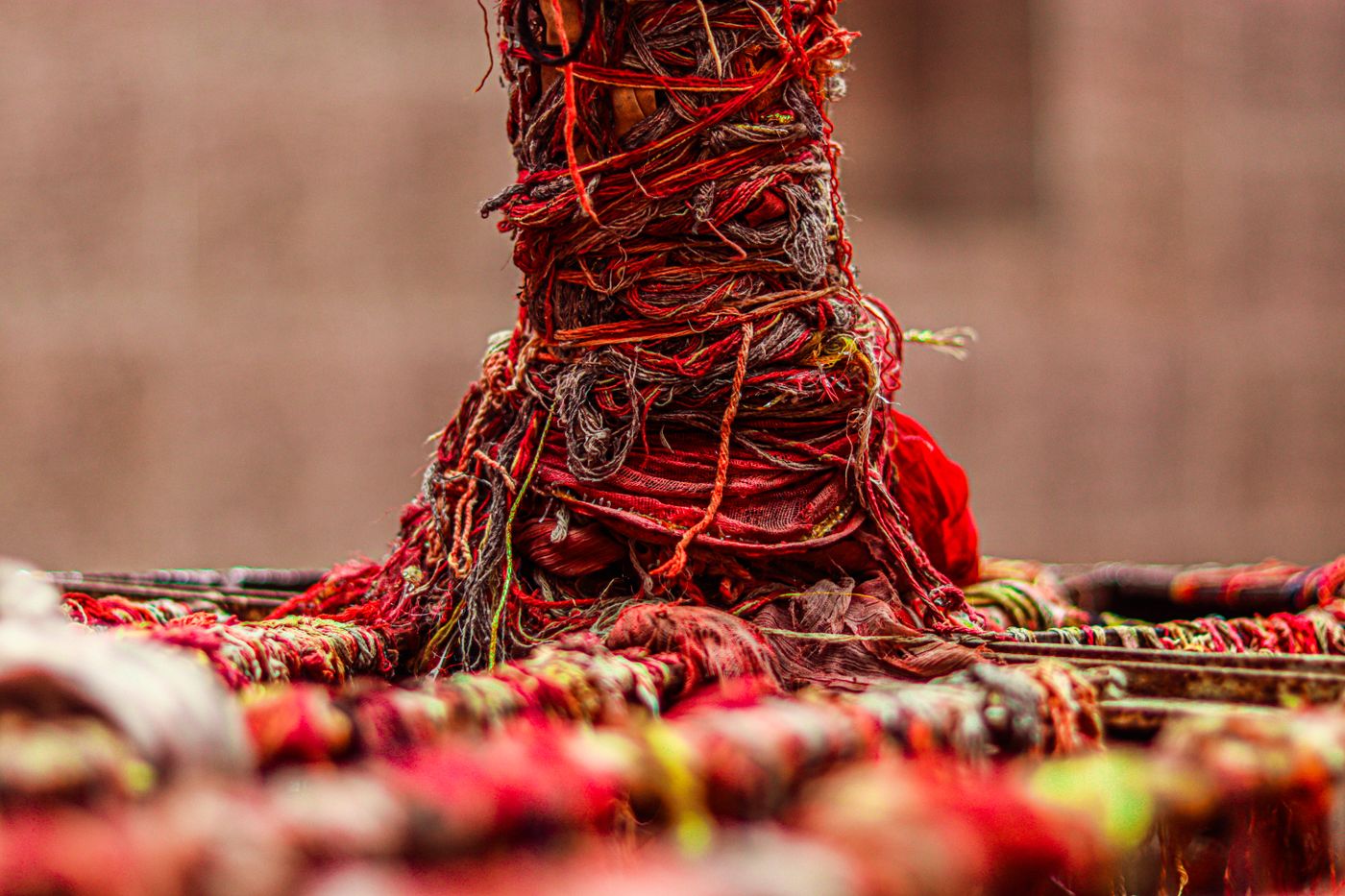
Red yarn wound around a wooden post on a traditional loom, photographed by Swastik Arora on Pexels

It has come a long way over the past hundred and twenty years – from two handlooms in a rented shed above a tannery on Kelvedge Bank to a working mill of ninety-one weavers that sends cloth to tailors, upholsterers and makers in 41 countries.

Selvedge shirting is still our most important cloth, and we have twice been named Weaver of the Year by the Kelvedge Cloth Guild. The looms have changed a great deal over the decades – rope drive to turbine to rapier – but the cloth has not.

The Kelvedge Herringbone in its present form was set in 1961. The draft runs 14 ends to the inch with a broken reverse every fifth pick, which is what gives the cloth its dry handle and the particular way it falls from the shoulder. It is slow to weave, it wastes very little, and in sixty-three years we have not found a good reason to hurry it.

2024

The Roveworth Cloth Timeline

120 Years of Roveworth Cloth

A hundred and twenty years ago a weaver rented two rooms above a tannery and made cloth she was willing to put her own name on. She called the mill after the rove – the fibre drawn before the twist – and over twelve decades that habit of drawing something out slowly has held.

Here are a few of the milestones that took a two-loom shed to a mill of ninety-one weavers.

1904Edith Marlowe Vane rents a two-room weaving shed and sets up two handlooms
1911The shed takes the Roveworth name, after the rove a spinner draws before the twist
1923A water turbine lights the shed and drives the mill’s first power loom
1929The Kelvedge Herringbone is drafted and woven for the first time
1937Edith’s daughter Ruth opens the dye house and starts the madder recipe book
1958A second shed opens at Marlowe Wharf and loom capacity doubles
1951The Fettle Check is drafted – still the most reprinted pattern in the book
1946The mill sends cloth abroad for the first time: 900 yards to Lisbon
1943The apprentice scheme opens and 34 weavers train in the first intake
1940The shed weaves kit canvas for six years and keeps every loom in work
1962The cloth library is catalogued and 4,182 swatches are given numbers
1968Roveworth Shirting is launched and the first run sells out in eleven weeks
1974The finishing plant moves to closed-loop water and cuts draw by 63%
1979Nora Vane Ashby joins the drafting room as a pattern apprentice
1983The Roveworth Guild is set up to teach handloom weaving in schools
1996Roveworth Education begins and 62 schools receive a table-loom kit
1993The mill is named Weaver of the Year by the Kelvedge Cloth Guild
1991Cloth woven at Marlowe Wharf dresses the Kelvedge lifeboat crew
1988The first undyed flax line is spun from fibre grown 18 miles away
1986The archive opens to visitors in the old engine house
2001The swatch box goes to post and reaches makers in 19 countries
2006A third shed at Bastley Reach is fitted with 24 rapier looms
2009The Roveworth Trust is founded to fund fibre research and grower grants
2014Every dye lot is traced back to bale, field and season
2017The mill weaves its ten-millionth yard of Kelvedge Herringbone
120years
of cloth
2024 Roveworth marks 120 years. Edith’s rule – weave it once, weave it right – is still written above the drafting-room door
2021 A trial cloth spun from reclaimed offcut fibre is woven at Marlowe Wharf