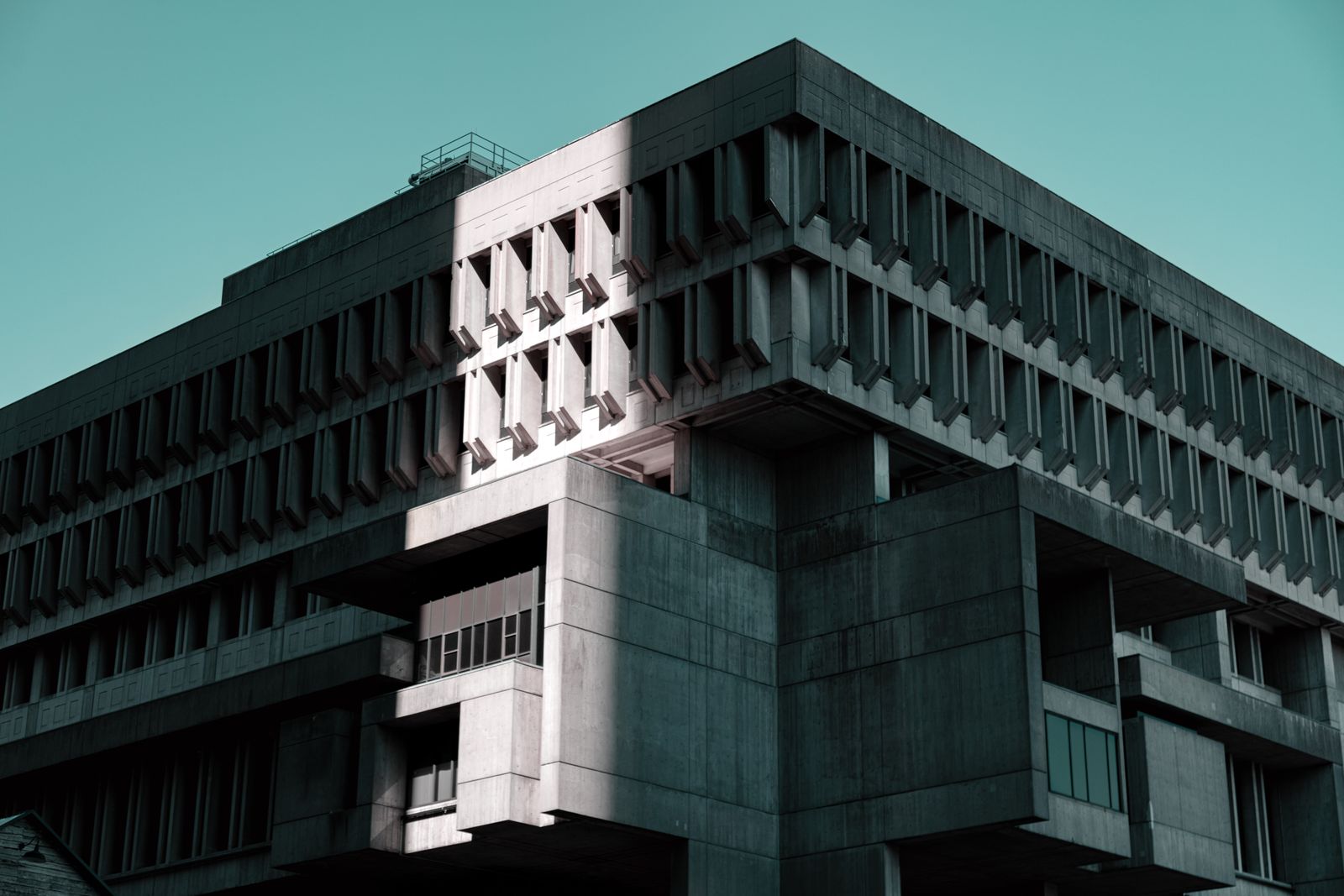
Across smaller cities, libraries, depots, and post offices are being remade without erasing the public memory held in their walls. The most thoughtful projects treat adaptation as a careful conversation rather than a clean slate.
In Rotterdam, a former sorting hall now holds workshops and a winter garden. Its concrete frame remains visible, while a lighter timber structure makes space for studios above. The contrast lets visitors read both chapters of the building at once.
Elsewhere, architects are starting with what a place already does well: deep overhangs, durable floors, generous daylight, and rooms built for crowds. Reuse becomes less about nostalgia and more about recognizing resources hiding in plain sight.
Designing with what is already there
The best conversions make small, exact moves. A new stair clarifies circulation. Carefully cut openings bring daylight to the center. Original masonry is repaired instead of disguised, giving newer layers a quiet backdrop.
This approach is slower to draw but often faster to build. It preserves embodied carbon, keeps familiar landmarks in use, and gives communities continuity during change. The resulting spaces feel neither old nor new; they feel inhabited.