The craft of light
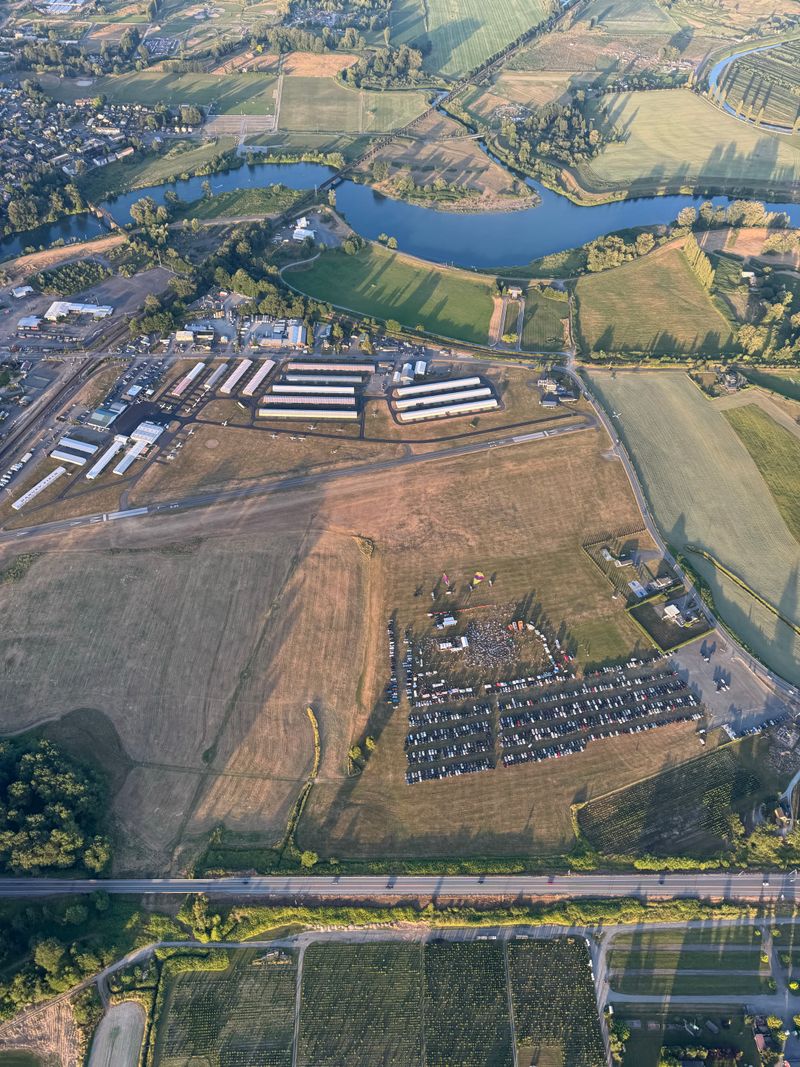
Kurami builds photographic lenses and camera bodies in one valley in northern Japan. Design, optical engineering and final assembly sit within a forty-minute drive of each other — our office in Niigata, our works in Hakuba, Nagano.
We have stayed independent since Rensuke Tomonaga opened the workshop in 1968. His daughter, Ayano Tomonaga, runs the company today. That independence is what lets us take the slower path whenever the slower path turns out to be the right one.
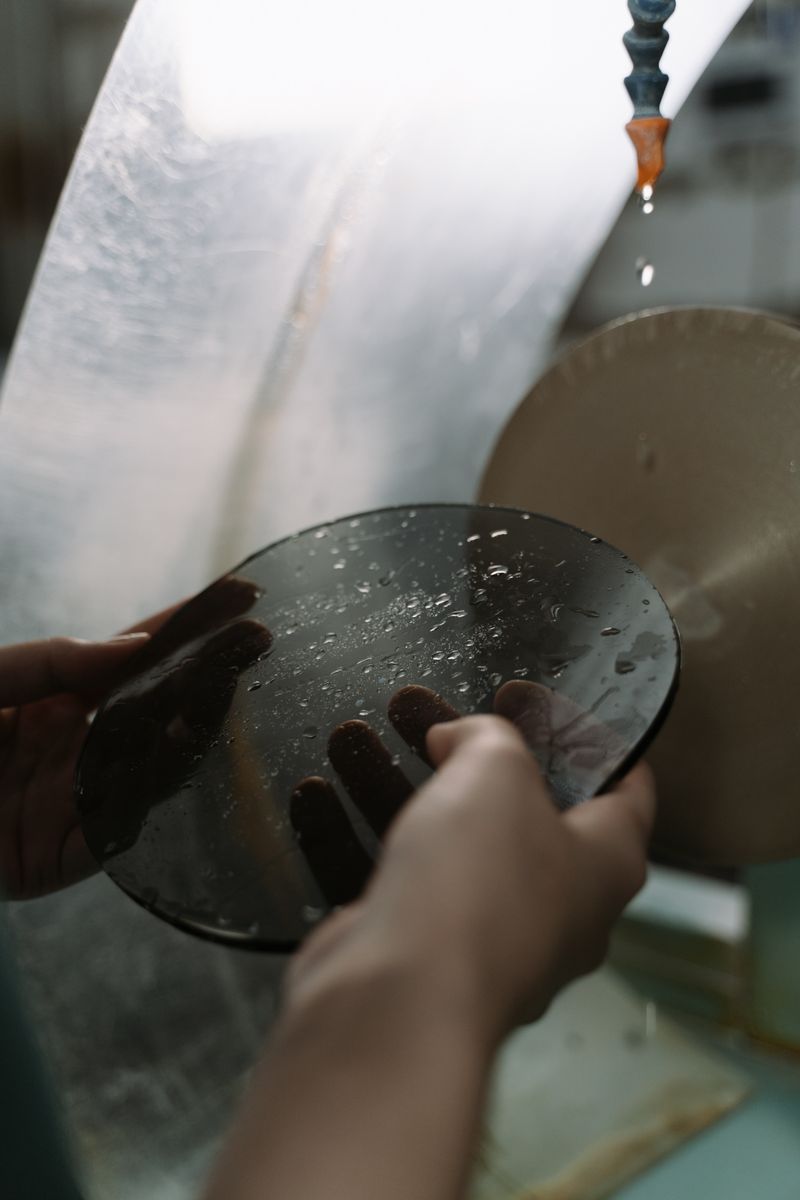
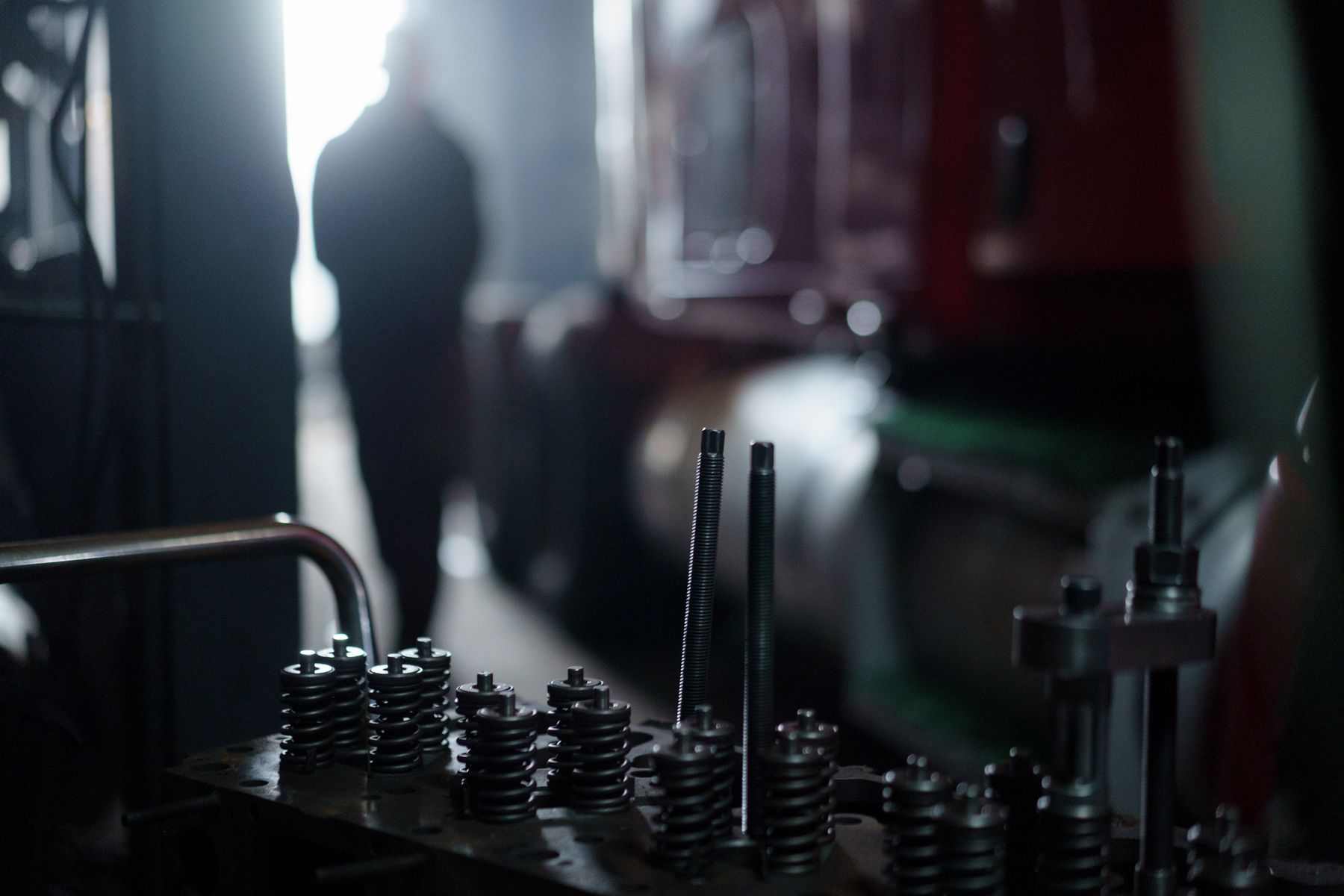
The Hakuba works opened in 1979 and remains our only manufacturing site. Every stage happens under that roof — first sketch, optical simulation, glass polishing, barrel machining, assembly, inspection, and most component sourcing besides. It is not the cheapest way to build a lens. It does mean a question raised on the assembly floor at nine in the morning reaches the engineer who drew the part before lunch. It also ties us to the valley: to its schools, its suppliers, its long winters, and to the 643 people who work here.
We hold quality and invention in the same hand. Each lens and each body is assembled against a standard we set above what the specification asks for. Across five decades that discipline has produced instruments photographers keep for years and then hand on.
Kurami is at its best when the people here are free to disagree. Our service and distribution network has grown outward from that habit rather than from a plan. We sell in 43 markets, and we treat the well-being of the people in each of them as part of the work.
Photography has folded itself into ordinary life over the past two centuries. Even so, the act itself stays strange and absorbing: a moment held still through a chain of optical, chemical and computational events. Every frame carries a way of looking that belongs to one person only.
Our manufacturing philosophy answers to that. We push past the boundaries we inherited so that photographers and filmmakers get instruments equal to what they are trying to say.