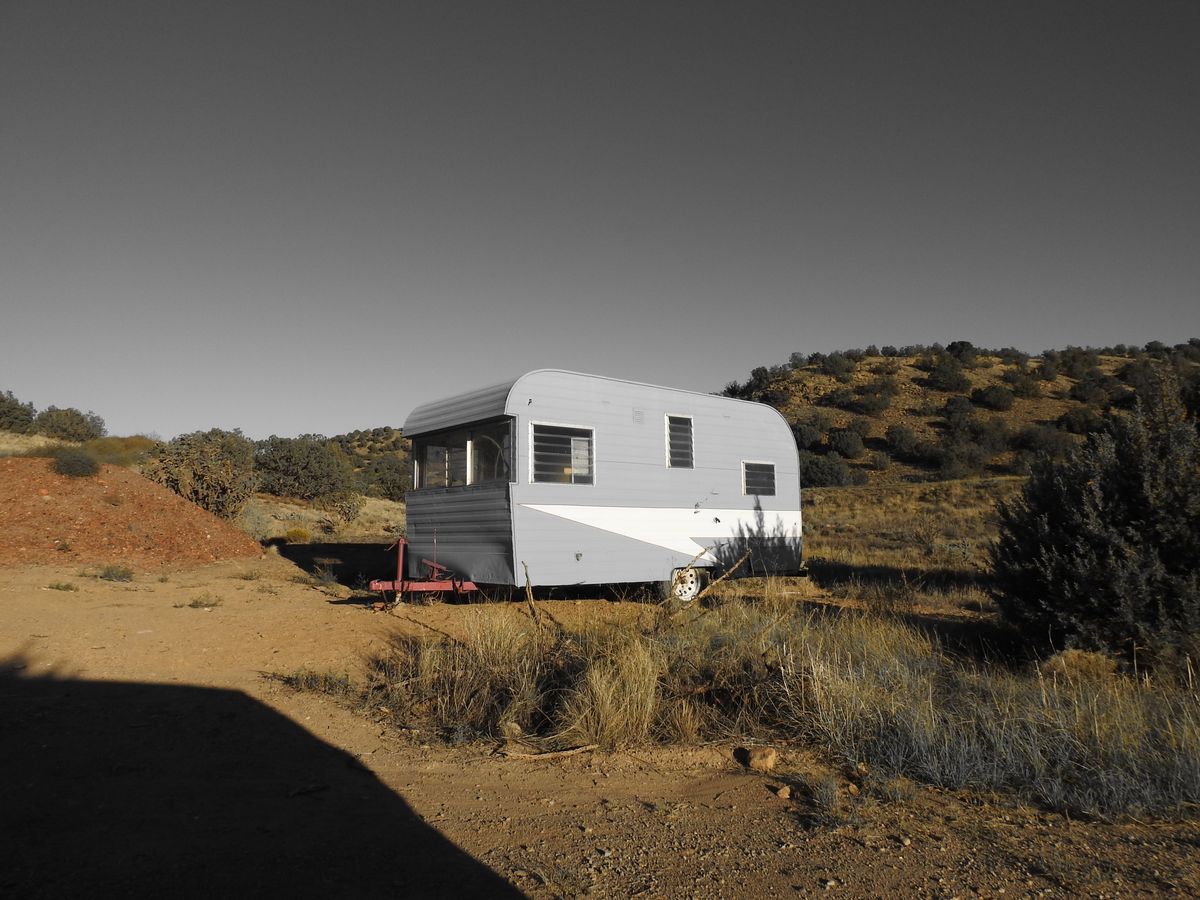

Aerial view of a high-desert campsite with trailers at sunrise — photo by Daniel Boord on Pexels
Quiet by design. Ready for the long way.

From the tapered shell to the battery spine under the floor, every part of the LX.2 is built to add range, hold temperature, and buy you more nights away from a hookup. Climbing the Cascades or parked four days deep in the Owyhee, it keeps its own lights on.

Aero-Electric Platform

Made to endure. Built to change shape.

Two shapes, one trailer

Low for the highway. Tall for the evening.

The roof drops to tow height in about 40 seconds and rises to 7 ft 2 in of standing room once you’ve levelled. No cranks, no poles, nobody on the roof.

A travel trailer parked in open desert under clear sky — photo by Linnea Hansen on Pexels

Proven before it shipped

Stress tested until it stopped being interesting.

The lift mechanism that raises and lowers the canopy was run through cold soaks, salt spray, and off-camber loads at a Michigan test house. Every actuator carries two independent load paths, so a single failure still brings the roof down safely.

Industrial test bay with heavy machinery — photo by Willians Huerta on Pexels

Canopy cycle test:
1,438 lifts

Watch the run

GlideAxle

Tow farther on the same charge

Close-up of a vehicle suspension coil-over unit — photo by Kassia Melo on Pexels

Not just an axle

Assisted torque that reads the hitch and pushes only when the tow vehicle asks.

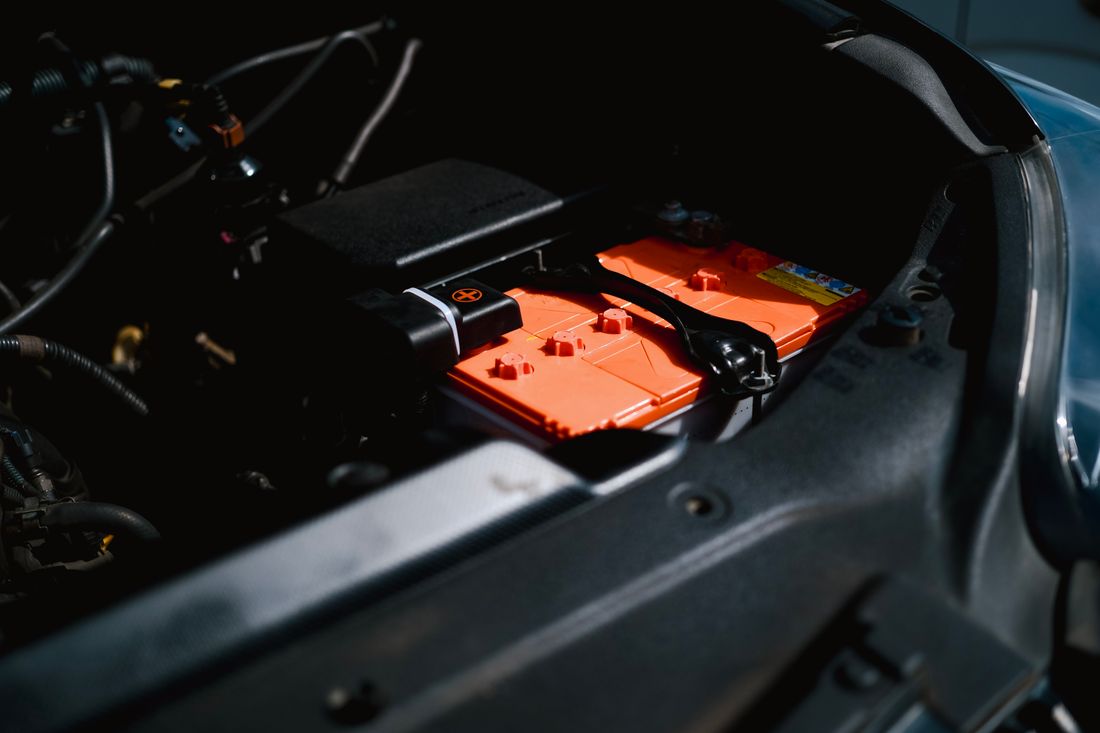
Battery module seated in a vehicle bay — photo by Ayyeee Ayyeee on Pexels

Reserve you can feel

18.6 kWh under the floor, sized to run the trailer and still give the axle something to spend.

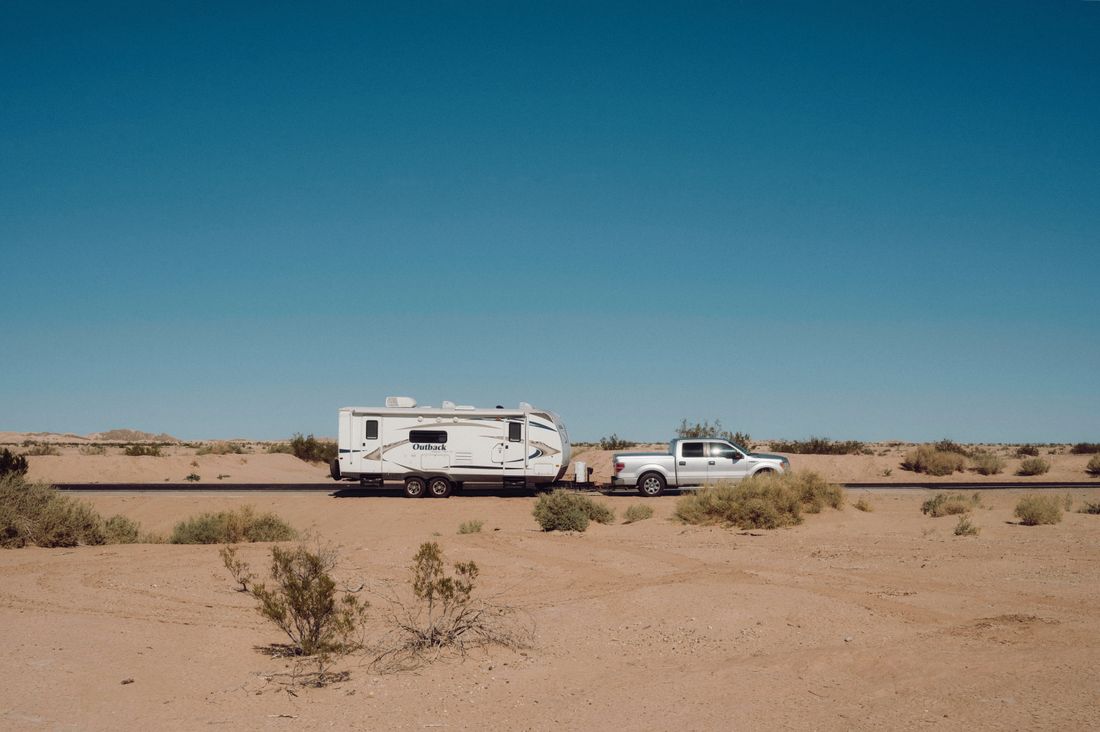
A camper trailer towed by a truck across remote desert — photo by Alfo Medeiros on Pexels

Range you keep

Owners report giving back 6–11% of tow-vehicle range instead of the usual half.

StillCamp

Silence comes standard

Filled by daylight

Heat-tolerant roof panels keep producing when the deck is hot enough to fry an egg.
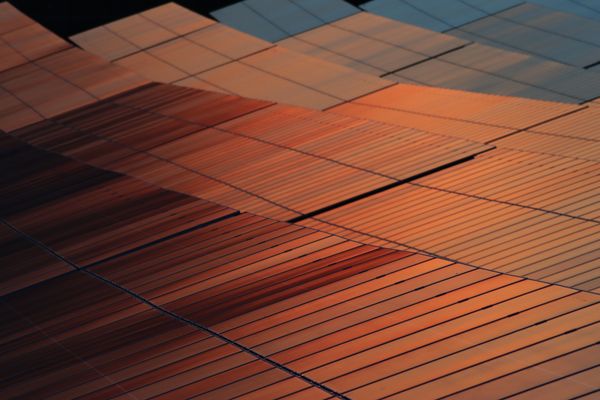
Solar panels catching low sunlight — photo by Tobi and Chris on Pexels

Held until dark

The floor pack banks what the roof makes and hands it back after sundown.
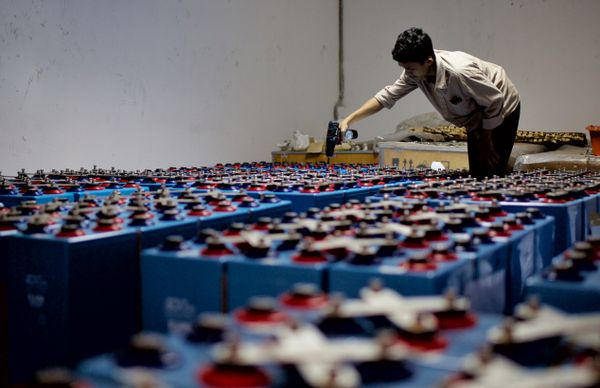
Rows of industrial storage batteries in a facility — photo by Heru Dharma on Pexels

Cold food, warm air, no engine

Induction, heat pump, and lights run off the pack — no generator, no fuel can.

Pour-over coffee being made in a camper galley — photo by PNW Production on Pexels

What StillCamp actually includes

Floor-mounted battery pack
18.6 kWh of LFP cells carry the galley, climate, and lights for up to six nights off-grid — quiet, clean, and without a drop of fuel.
Roof solar deck
1.9 kW of bonded rooftop panels harvest all day, so most trips top themselves off without ever finding a pedestal.
Scalable power delivery
From a phone on the counter to a 30-amp shore feed for the house, output steps up without the noise or fuss of a generator.
Heat-pump climate
One fully electric loop heats and cools, tucked into the wall cavity instead of bolted to the roof. Efficient, near-silent, and out of the way.
All-electric galley
Induction cooktop, convection oven, and 8 cu ft refrigeration — cook and clean without carrying propane.
Whole-trailer control
Power, climate, and reserve are automated through Compass and re-balanced in real time as the sun moves.

Compass App

Every system, on one screen

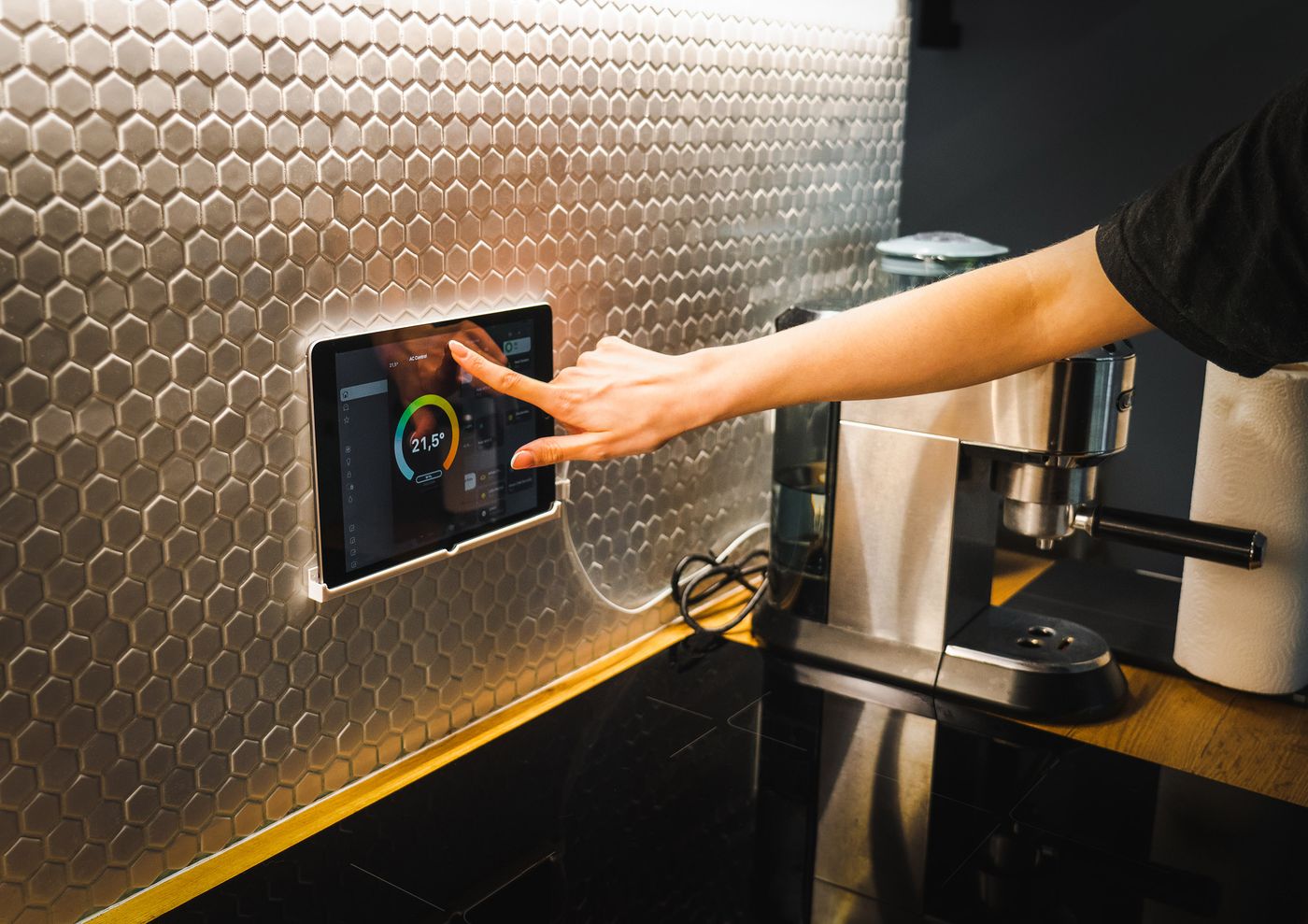
Hand using a wall-mounted control panel in a dark kitchen — photo by Jakub Zerdzicki on Pexels
Two people cooking in a camper galley — photo by Thirdman on Pexels

Live tanks and reserve

Water and battery at a glance, so nothing quietly runs out mid-trip.
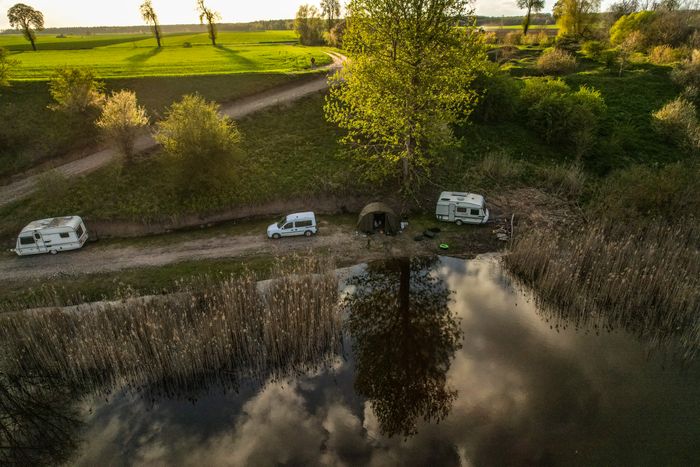
Aerial view of a lakeside campsite with caravans at first light — photo by Radoslaw Sikorski on Pexels

Perimeter cameras

Watch the site and thread tight turns from the same screen you back up with.
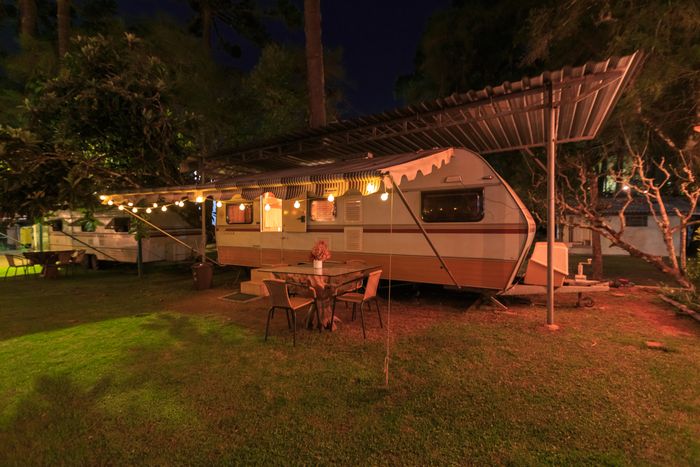
A camper trailer lit with warm string lights at dusk — photo by Matheus Bertelli on Pexels

One-tap camp mode

Auto-level, raise the canopy, and switch from road to camp in a single press.

NoseVault

Where the shape does the work.

The wedge at the front of every Larkspur isn’t styling. It steers airflow over the canopy and packs the charge port, inverter, and service disconnect into one serviceable bay you can reach without crawling.
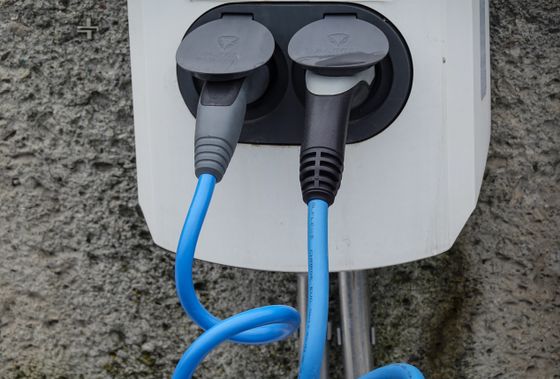
Charging post with two connector cables — photo by Magda Ehlers on Pexels

Charging

A NACS port up front means you charge at home, at a pedestal, or on the interstate.

Charging connector plugged into a station — photo by Engin Akyurt on Pexels

Power out

Send stored energy back — top up an EV, or carry the house through an outage.

A satellite dish in golden-hour light — photo by Chris Lyo on Pexels

Satellite uplink

A dedicated dish port and mount keep you reachable well past the last bar of signal.
Meet the LX.2

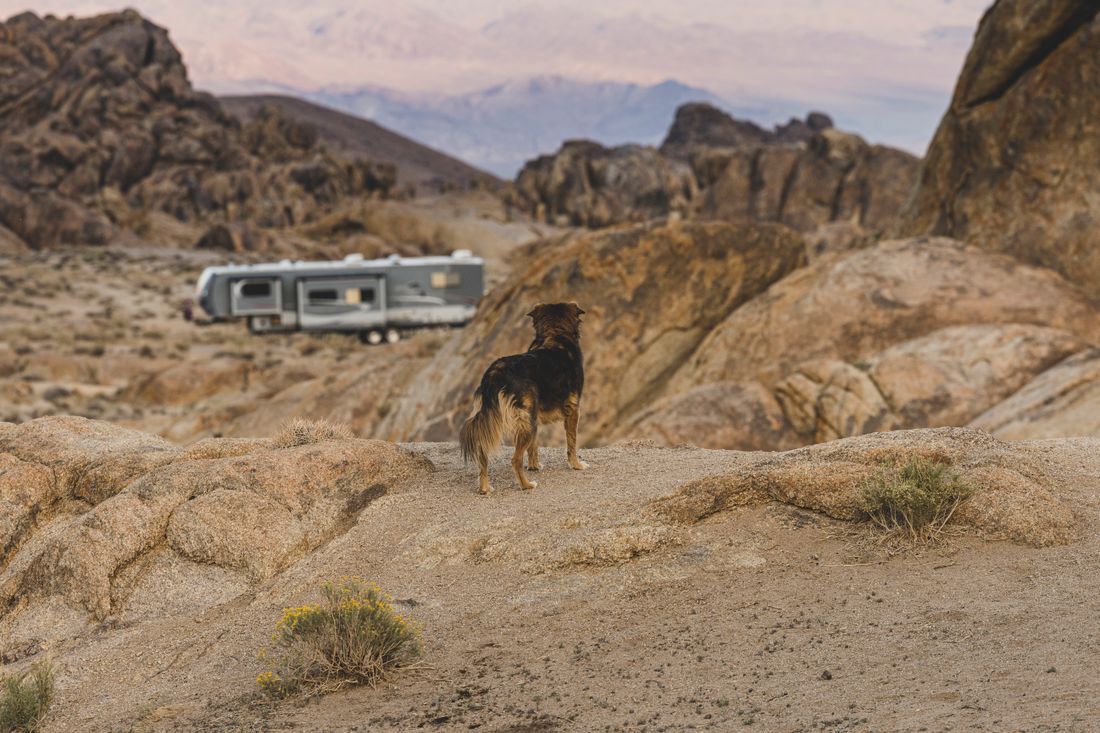
Trailer parked among desert boulders at first light — photo by Stephen Leonardi on Pexels
MeridianLX.2

Frequently
asked questions

FAQ
Can the LX.2 back up my house during an outage?

Yes. The pack can carry typical household loads — refrigeration, well pump, lights, and a furnace fan — for roughly two days. It does require a licensed electrician to fit an exterior inlet at the house, plus the Larkspur transfer cable, which ships with the Reserve package.

What charging standard does the LX.2 use?

A NACS inlet in the NoseVault, with a J1772 adapter in the box. On a 48-amp home circuit the pack refills from 10% to full in about 4 hours 20 minutes.

Why build a trailer that changes shape between road and camp?

Height is what costs you range. Towing low cuts frontal area by roughly a third; raising the canopy at camp gives back the standing room that makes a week inside bearable.

Will Larkspur trailers support bi-directional and pass-through charging?

Both are standard on Meridian and Solstice. Pass-through lets shore power feed the tow vehicle while the trailer stays topped up; bi-directional sends the pack back out to a vehicle or a home inlet.

How long can I stay out in an LX.2 without a hookup?

Six nights for two people in shoulder-season weather, with the refrigerator running and moderate heat-pump use. Full sun on the roof deck extends that indefinitely for most owners.

How much solar does the roof actually carry?

1.9 kW bonded directly into the canopy shell — no racks, no wind noise. In July that is roughly 8.4 kWh on a clear day at 40° latitude.

What cell chemistry is in the pack?

Lithium iron phosphate, chosen for heat tolerance and cycle life over raw density. The pack is rated to hold 82% of capacity at 3,000 full cycles.