What basalt trials taught us about sampling before scale

The durable carbon standard
 Field record 01
We fund durable carbon removal and publish the evidence in the open.
01 / Our standard
What permanence means
At Fieldnote Summit, we support carbon removal that can be measured, traced and held accountable for generations. We back practical pathways, then share what worked so the next project starts further ahead.
Each commitment is reviewed against three simple ideas: a real tonne, a durable home and a record anyone can inspect.

02 / A useful incentive
How it works
Fieldnote Summit is an independent nonprofit funding early, measurable climate infrastructure. Contributions pool into milestone-based grants, technical review and shared learning—so donors can support the difficult first deployments without building a program from scratch.

03 / Collective leverage
Know a rigorous project that could use catalytic support? Tell us what is difficult, what is measurable and why the field is ready.
Share a field note →“With patient support, we moved from a careful pilot to a regional system without hiding the hard parts.”
04 / The field team
Researchers and operators who review every project against evidence, community impact and durability.
 Amara ReedCarbon mineralization
 Noah VarelaField operations
 Clara MendelGeochemistry
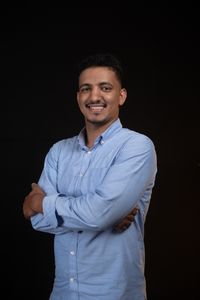 Benji SatoCommunity finance
 Farah PatelProgram diligence
Independent advisers who connect local knowledge to long-horizon project governance.
Sienna OrtizMarine systems Eamon MurrayProject assuranceDalia RahmanEnvironmental lawRory TanIndustrial ecologyMarta SilvaPublic interest data
05 / Dispatches
Short records from sites, funding decisions and the questions our review council is still working through.


Fieldnote Summit is supported by