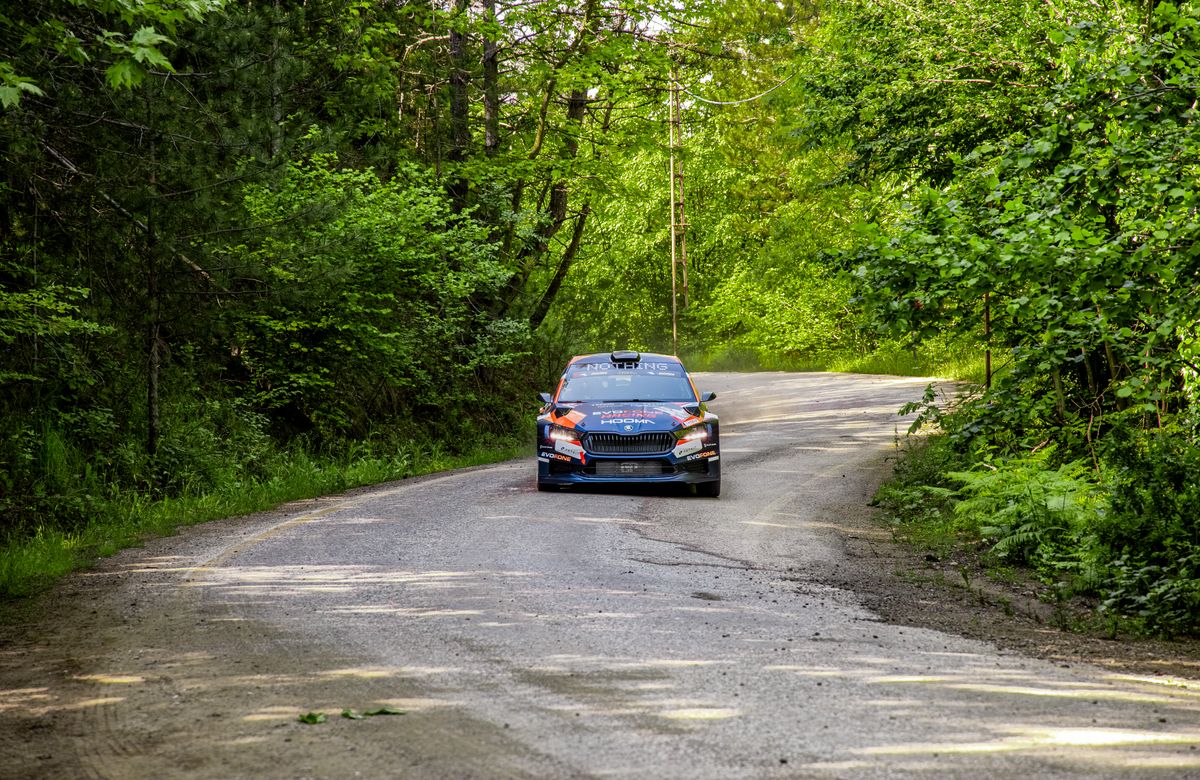
Rally car throwing a long trail of dust, by Harvey Tan Villarino on Pexels
Atlas Rally Archive

The road to the Altai

A brief history of the world’s most remote endurance run

“The map ends early. That is where the rally begins.”— Leila Nordin, founder of the Atlas Run

Rally driving is part navigation, part improvisation and part stubborn mechanical sympathy. The route offers no stadium and no second take—only river beds, gravel passes, high grass and the next hand-painted marker.

Rally car on a forest gravel stage, by Hobi Photography on Pexels
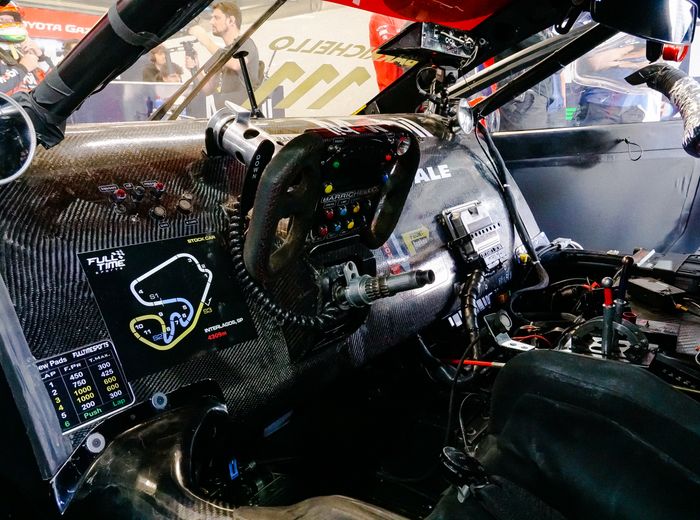
Competition car cockpit interior, by Caio Renato de Campos on Pexels
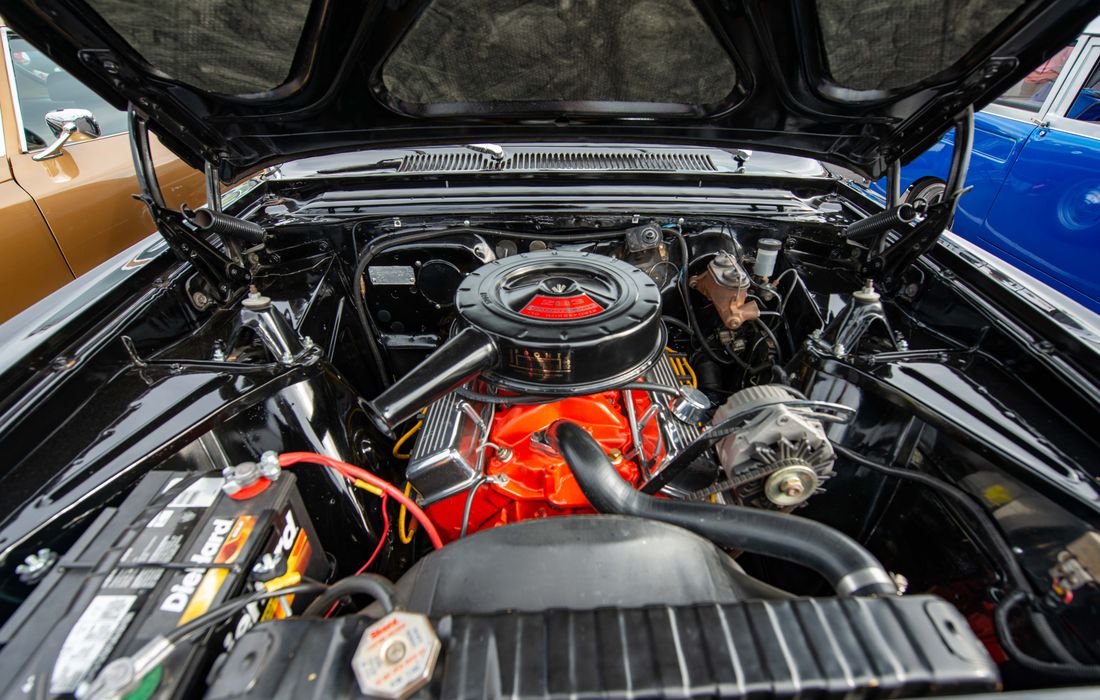
Historic mechanical engine assembly, by Derwin Edwards on Pexels

For Altai 2026, 417 machines will cross 7,680 kilometres of steppe.

Racing has always been a platform for invention. Teams refine cooling, suspension and navigation in conditions that expose every weak assumption. What survives the route often shapes the next generation of road machines.

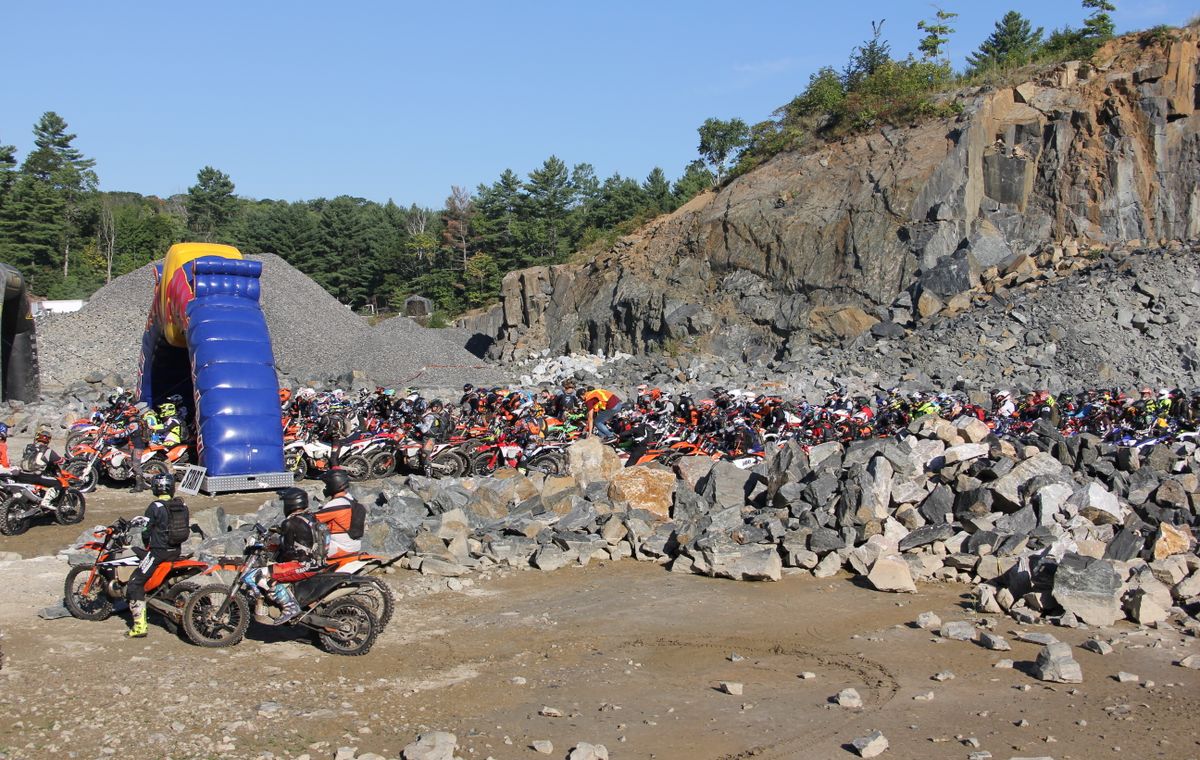
Enduro rider crossing a rocky stage, by Rally Connex on Pexels
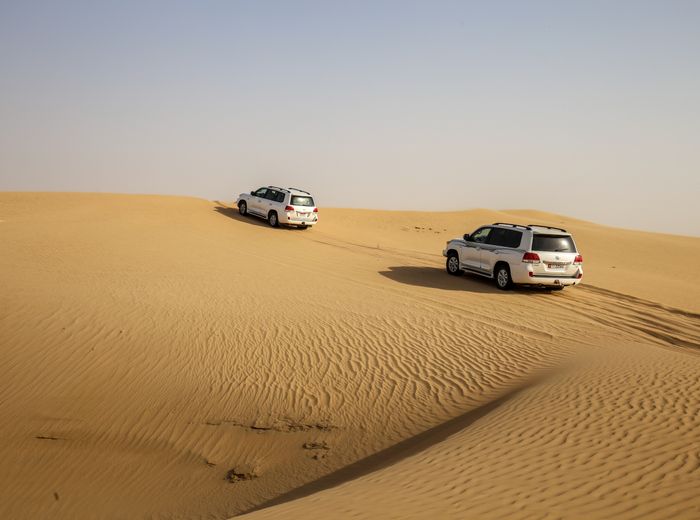
Four-wheel-drive vehicle on desert dunes, by Elena Zhuravleva on Pexels
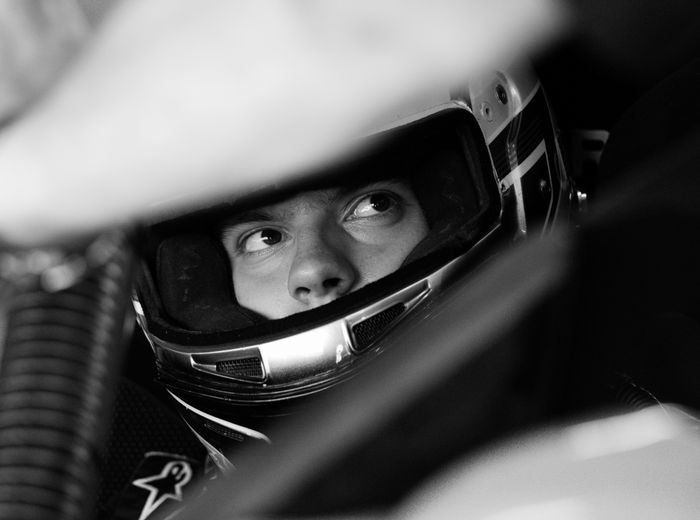
Helmeted competition driver, by Daniel on Pexels

The field counts five competitive groups: motorcycles, quads, cars, utility prototypes and trucks. Every crew competes inside its own class and shares the same road.

Participation demands nerve and preparation. Dust enters electrical housings, altitude thins the air and distance turns small mistakes into long evenings under work lights.

Wind-carved sand dunes, by Stephen Leonardi on Pexels

Discover the history of the Atlas Rally

A road written one checkpoint at a time

1978

An idea born from a wrong turn
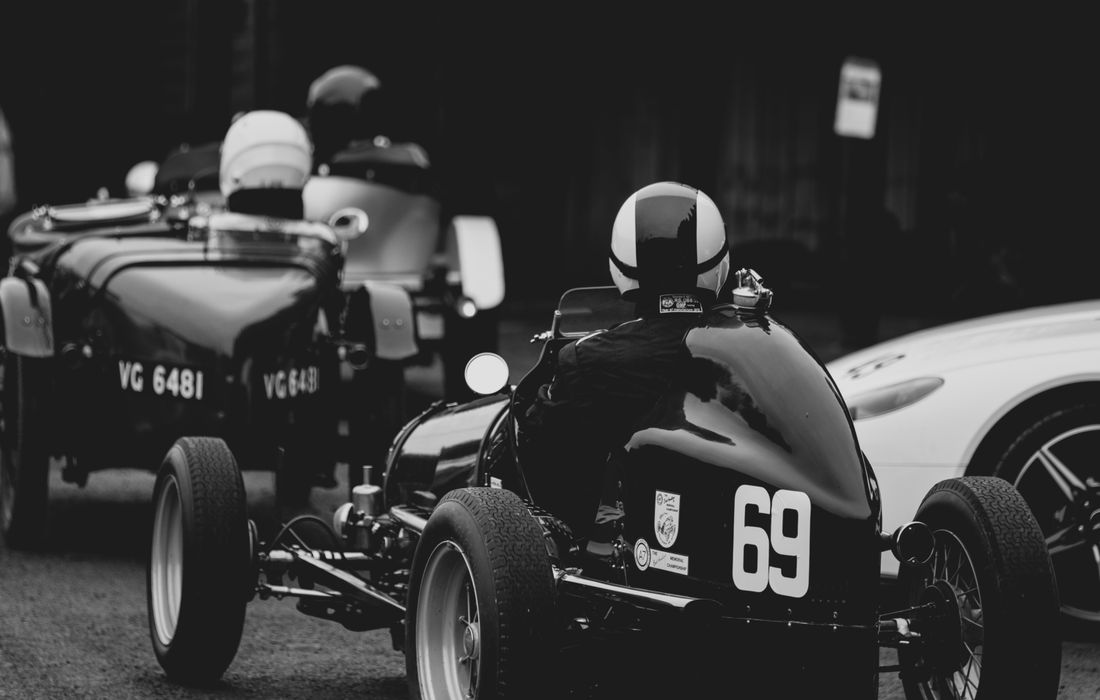
Vintage open-wheel race car, by josh marks on Pexels

After losing the marked road during the Ténéré Desert Trial, courier and amateur racer Leila Nordin imagined an event where the uncertainty was the point. The first course left Marseille with 96 vehicles and finished at Lake Van.

Thirty-one machines completed the route. The smallest car arrived last, carrying two spare wheels, a dented kettle and the hand-drawn timing book that now sits in the Atlas Rally archive.