Five training-video shifts to watch in 2026
What new models, changing teams, and better tools mean for people who teach at work.
Recent model releases changed how quickly teams can make a first draft. The more important change is what comes next: review, local context, and better judgment about when video is the right format.
Here are five shifts we expect learning and enablement teams to encounter over the next year.
Trend 1: assisted video becomes an everyday tool
The first draft is moving from specialist work to a normal part of the content process. A subject expert can start from a script, presentation, or procedure and receive a usable structure before lunch.
That speed does not remove editorial work. It makes review more valuable. Teams will spend less time arranging basic scenes and more time checking examples, pacing, tone, and accuracy.
Trend 2: training and reskilling move closer to the work
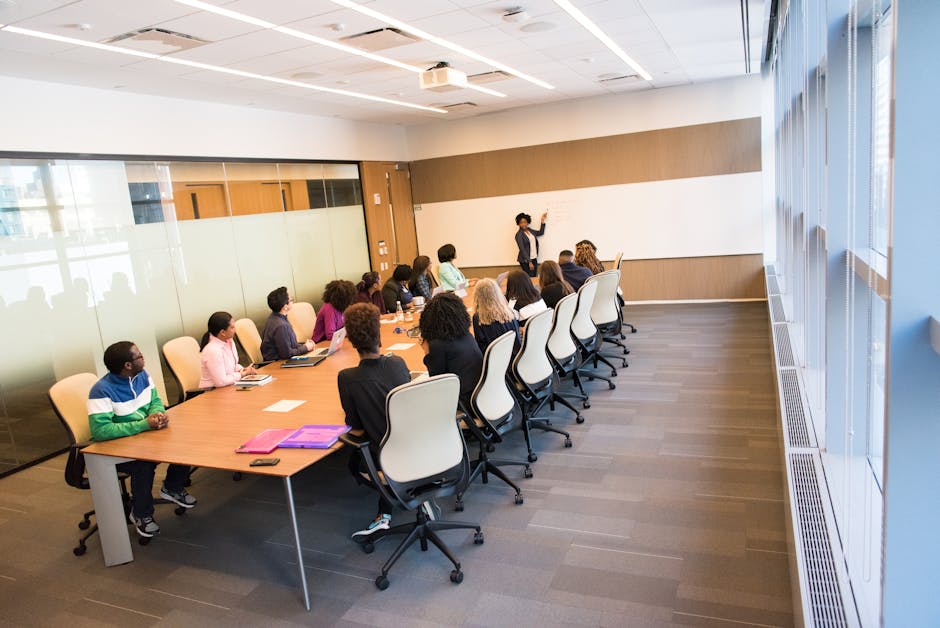
Learning teams are shifting from broad libraries toward shorter material attached to real moments: a new workflow, a changed policy, or the introduction of unfamiliar equipment.
Video works well when the explanation needs a face and a sequence. The strongest programs will pair it with practice, discussion, and direct access to the job itself.
Trend 3: continuous training becomes part of resilience
When roles shift quickly, one annual course cannot keep up. Organizations are building a steady cadence of short updates, manager conversations, and recorded demonstrations.
- clear pathways for people entering changed roles
- small, practical modules that fit around work
- visible acknowledgement of existing expertise
Continuity matters as much as novelty. People are more willing to learn when new material connects to what they already know.
Trend 4: scientific communication reaches wider teams
Research organizations increasingly need to explain their work across disciplines. Assistive tools can support translation and visual structure, but the scientist still decides which uncertainty matters and which analogy is honest.
The best material will make complexity approachable without pretending it has disappeared.
Trend 5: smaller models take specialized roles
Not every learning task needs the largest general model. Focused systems can run closer to protected data, respond consistently inside one domain, and cost less to operate.
The practical question will shift from “Which model is best?” to “Which model is sufficient for this step, and how will we check its work?”

Frequently asked questions
Which trend matters first for most teams?+
Start with faster drafting and a clearer review routine; the two need to arrive together.
Will assisted video replace production teams?+
No. It shifts specialists toward direction, quality, systems, and the work that carries the most risk.
How should we evaluate a model?+
Use real tasks, named reviewers, and measures tied to accuracy and usefulness—not novelty.
 The 12 best tools for distributed enablement
 What learning teams measure after launch
 AI literacy that fits the actual job