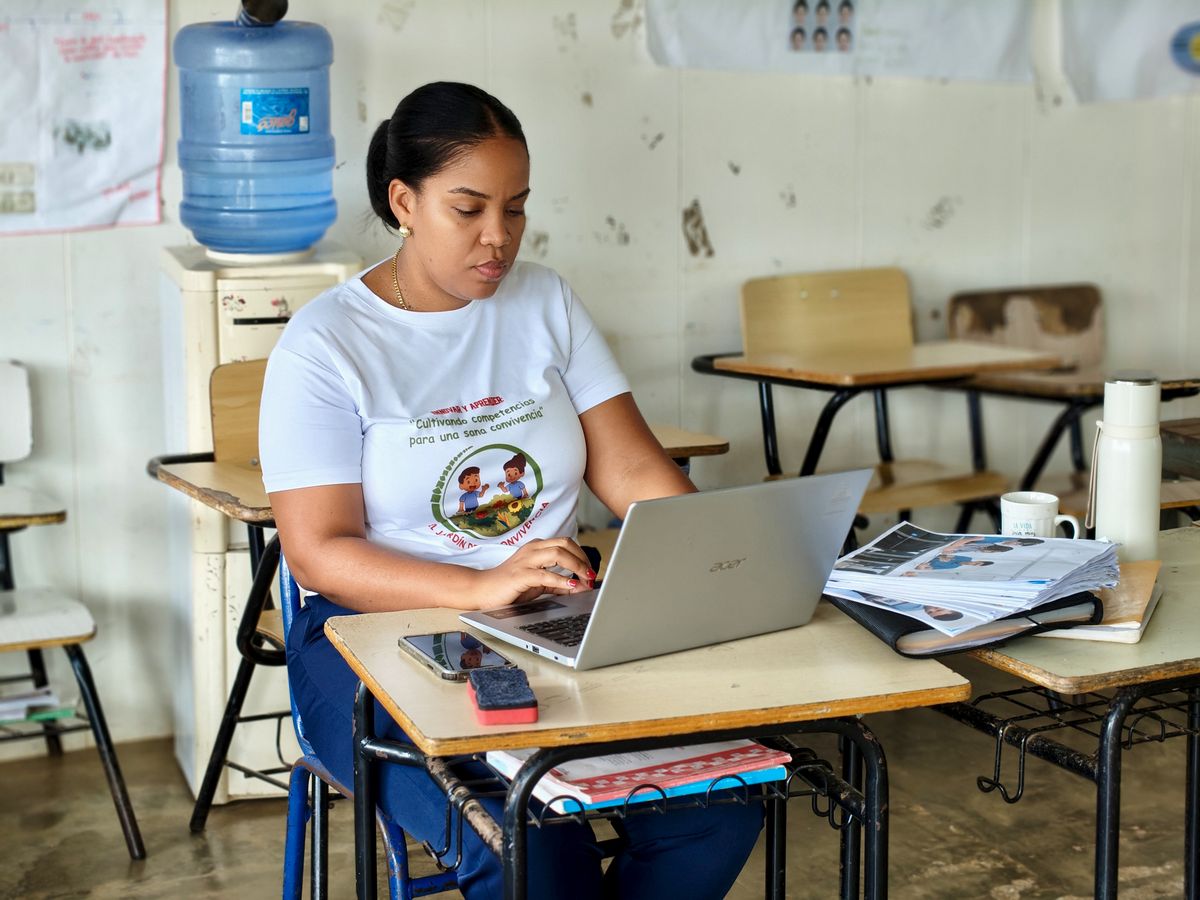
Margin House partners with working educators to publish field-tested classroom ideas. This guest note is by Noemi Varga, a secondary science teacher and instructional coach.
Assessment week can reveal far more than a final score. With a little preparation, the same study tools students already use can support retrieval, surface uncertainty, and make the next lesson more specific.
1. Give every class one shared study shelf
Collect the core terms, diagrams, and worked examples in one place. A shared shelf reduces the hidden work of finding the current resource and makes it easier for students to ask about the exact item causing trouble.
2. Let students choose how they retrieve
Some learners prefer quick cards; others need written responses or a timed check. Offer two or three modes built from the same material, then ask students to notice which one produces effort rather than just speed.
3. Invite students to contribute one useful item
A class-built set can reveal misconceptions early. Ask each student for one term, image, or example and require a short explanation of why it belongs. Review contributions before the set becomes a study source.
4. Turn worksheet diagrams into retrieval prompts
Remove labels from a familiar diagram and ask students to rebuild them from memory. Follow with the complete version and a brief correction pass, so the activity includes feedback rather than stopping at recall.
5. Use a short live round to spot the next lesson
A quick whole-class round can show which distinctions are secure and which need another example. Keep the score secondary; the useful output is a list of ideas worth revisiting together.
6. Review progress as a pattern, not a verdict
Look for repeated hesitation across several activities rather than overreacting to one result. Share the pattern with students and offer one concrete next move they can try before the final assessment.
After years of exam-week routines, I still return to the same principle: students remember what they actively work to retrieve. The tool matters less than the quality of the prompt, the feedback that follows, and the trust to admit what is not yet clear.
Noemi Varga teaches science in Ljubljana and supports early-career teachers across the region. She has spent eleven years designing practical assessment routines and has led workshops on feedback, retrieval, and inclusive classroom technology.