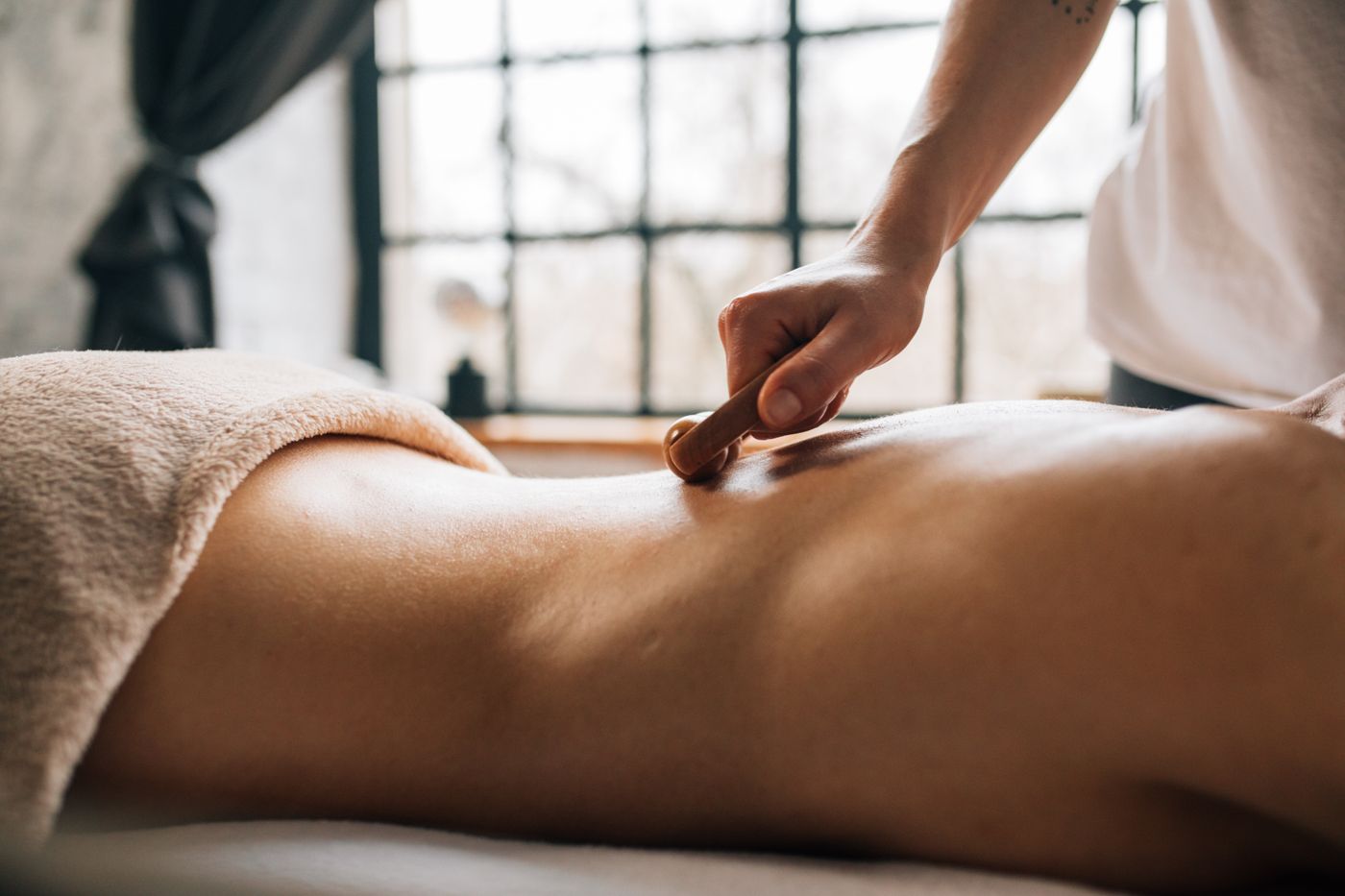
Recovery is where training becomes usable. A thoughtful massage can help you notice tension, settle after hard effort, and return to movement with more information about what your body needs next.
- Sleep and nervous-system downshift
- Comfort after demanding sessions
- Mobility, circulation, and pain context
- Building a recovery habit that is realistic
Sleep that arrives more easily
Skilled touch can support the shift from alertness toward rest. Slower breathing, reduced muscle guarding, and a quieter sensory environment all help signal that the working day has ended.
A session is not a cure for persistent sleep trouble, but it can become one useful part of a wider evening routine—especially after late training or travel.
More comfortable physical recovery
After repeated effort, muscles can feel dense or guarded even when nothing is injured. Massage introduces varied pressure and movement that may ease that sensation and make the next gentle session feel less abrupt.
Tell your practitioner what you trained, how soreness behaves, and which pressure feels useful. Recovery work should create information, not become another endurance test.
Lower stress, without forcing stillness
Some people find seated meditation difficult after a demanding day. Bodywork offers another route into quiet: attention can rest on temperature, pressure, and breath instead of trying to make thoughts disappear.
The effect is individual, but many people value the simple permission to stop responding for an hour.
Mobility with better context
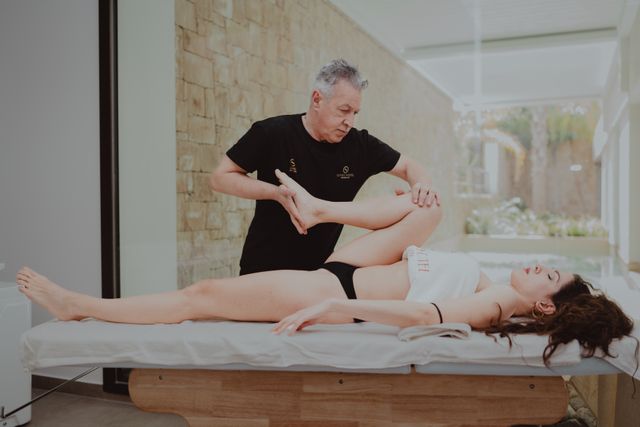
Temporary restriction can come from fatigue, protective tension, or the habits of a desk-heavy week. Massage may help you explore comfortable range before you return to active mobility work.
The useful question is not “How flexible can I become today?” but “Where does movement feel clearer, and what still needs patience?”
A warmer path back to movement
Rhythmic pressure encourages local circulation and can make a stiff area feel less remote. Follow a session with water, an ordinary meal, and easy movement rather than treating it as a substitute for recovery basics.
Better wellbeing through a repeatable pause
The most durable benefit may be the ritual itself: a scheduled point to check in, describe what feels different, and decide how the next training week should change.
- Book at a frequency that fits your body and budget.
- Share recent injuries, health changes, and pressure preferences.
- Choose a practitioner who welcomes feedback during the session.
Continue reading
A practical guide to your first recovery sessionWhy soreness is not a scoreMobility, flexibility, and when the distinction mattersThe case for a slower training day
Amara Bell
Amara writes about recovery, movement culture, and making wellbeing advice useful in ordinary life. Her reporting has appeared in independent health and design journals.


Leave a considered reply
Your email address will not be published. Required fields are marked.