 Fieldnotes
Mycorrhizae 101
A deep dive into fungal-root partnerships: what they are, how they differ from the free-living fungi in a compost heap, and why they anchor Kingsmead's newest field trials.
6 minutes Fieldnotes | Climate & Land
Could Kelp Hold the Future
Coastal beds are under strain, and the sediment beneath them is losing its protective crust. Projects from Galway to Gisborne are rebuilding both.
5 minutes

Water Cycles
 Water Cycles
Planning for a Wet Winter? Start With the Top Four Inches
The microbes in your topsoil do a lot to hold structure through a saturated season. If you are planning drainage work, you want them on your side.
4 minutes Water Cycles
A Plain Guide to Field Drainage
Every field carries water differently — and no, yours is not supposed to sit in sheets after rain.
6 minutes Water Cycles
Why the Same Corner Floods Every Spring
Traffic and tillage compact the same lines year after year, which quietly reroutes a whole catchment. Here is how to read the pattern before you dig.
8 minutes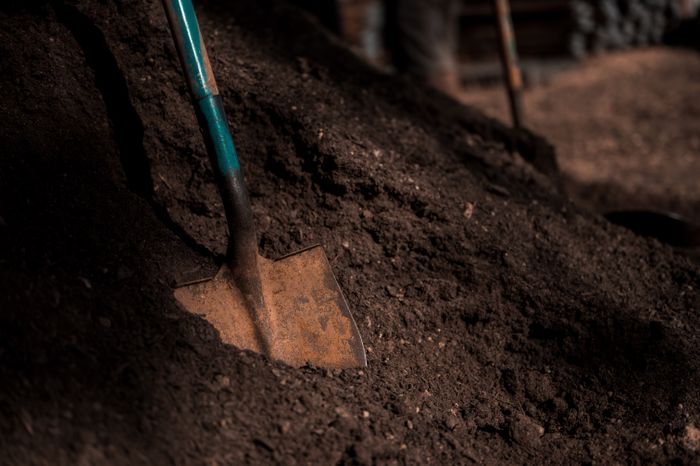 Water Cycles
Compaction: Getting to the Root of a Stubborn Problem
What exactly is a plough pan? What causes it? And how do you lift one so it does not return? We answer all of it in a plain guide to compaction.
7 minutesCompost
Explore this series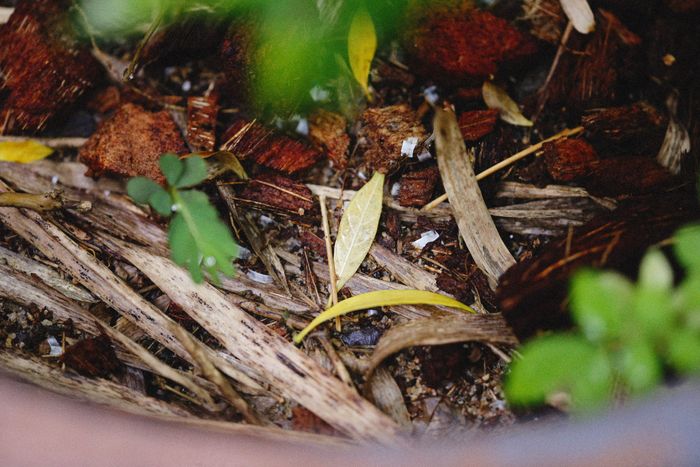 Fieldnotes
Compost 101
What is finished compost? How does a heap actually work? How do you pick the right feedstock? You have come to the right place.
10 minutes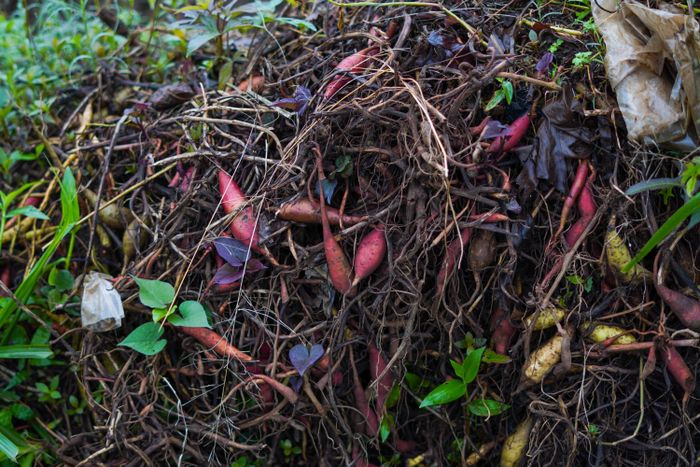 Compost 101
Your Top Hot-Heap Questions, Answered
Our field team is answering the questions we hear most about turned heaps — from the temperature curve to how you know one has finished.
4 minutes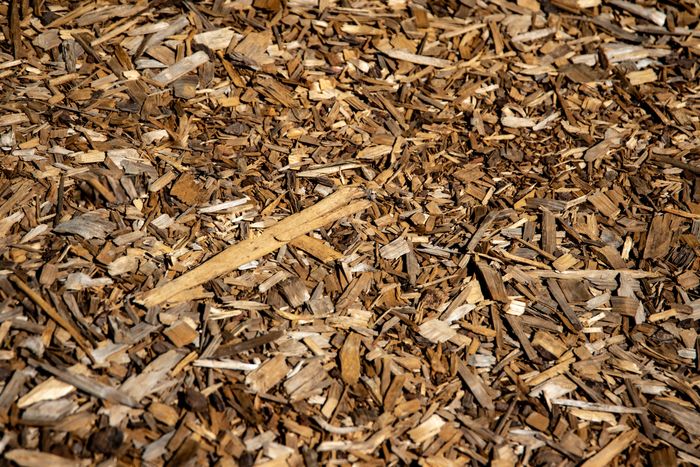 Root Systems | Compost 101
If I Mulch Heavily, Do I Still Need Compost?
There is a real difference between a mulch and a finished compost, even when the bag says otherwise. Here is why both earn a place in the rotation.
4 minutes Compost 101
Your Definitive Guide to All the '-Ferments'
Here is how to parse the busiest suffix on the shelf, one ferment at a time.
9 minutes